Our Parish
Orthodoxy has been described as “Christianity’s best-kept secret”. Though there are 300 million Orthodox Christians worldwide, for years Orthodoxy in America remained relatively small.
But now, it seems that the secret is out.
Today, Orthodoxy in America is quickly growing. Many Orthodox parishes in America are bursting at the seams with an influx of converts, and Annunciation is no different.
The Orthodox Church is the Church. It is the Body of Christ filled with the Holy Spirit. It is the Church of the New Testament, the Apostles, and the Fathers. It is “ever ancient, yet ever new”. Vladimir Lossky has said that Tradition is nothing other than “the life of the Holy Spirit in the Church.” It is this Tradition that has been faithfully preserved and handed down in the Orthodox Church for 2,000 years. And it still bears the freshness of the Gospel.
Annunciation is a parish within the one, holy, catholic, and apostolic Orthodox Church. It was founded in Milwaukie, Oregon, in 1995. It is part of the Diocese of the West in Orthodox Church in America (OCA) under the care of Bishop Vasily (Permiakov).
The OCA is an “autocephalous” jurisdiction of the Orthodox Church, meaning that we have our own “head”, who is currently Metropolitan Tikhon of Washington, D.C. We are not “Russian Orthodox” or “Greek Orthodox,” but we are in communion with those and other jurisdictions.
The Orthodox Church is incarnational in character. And so, because Annunciation is in America, our services are in English.
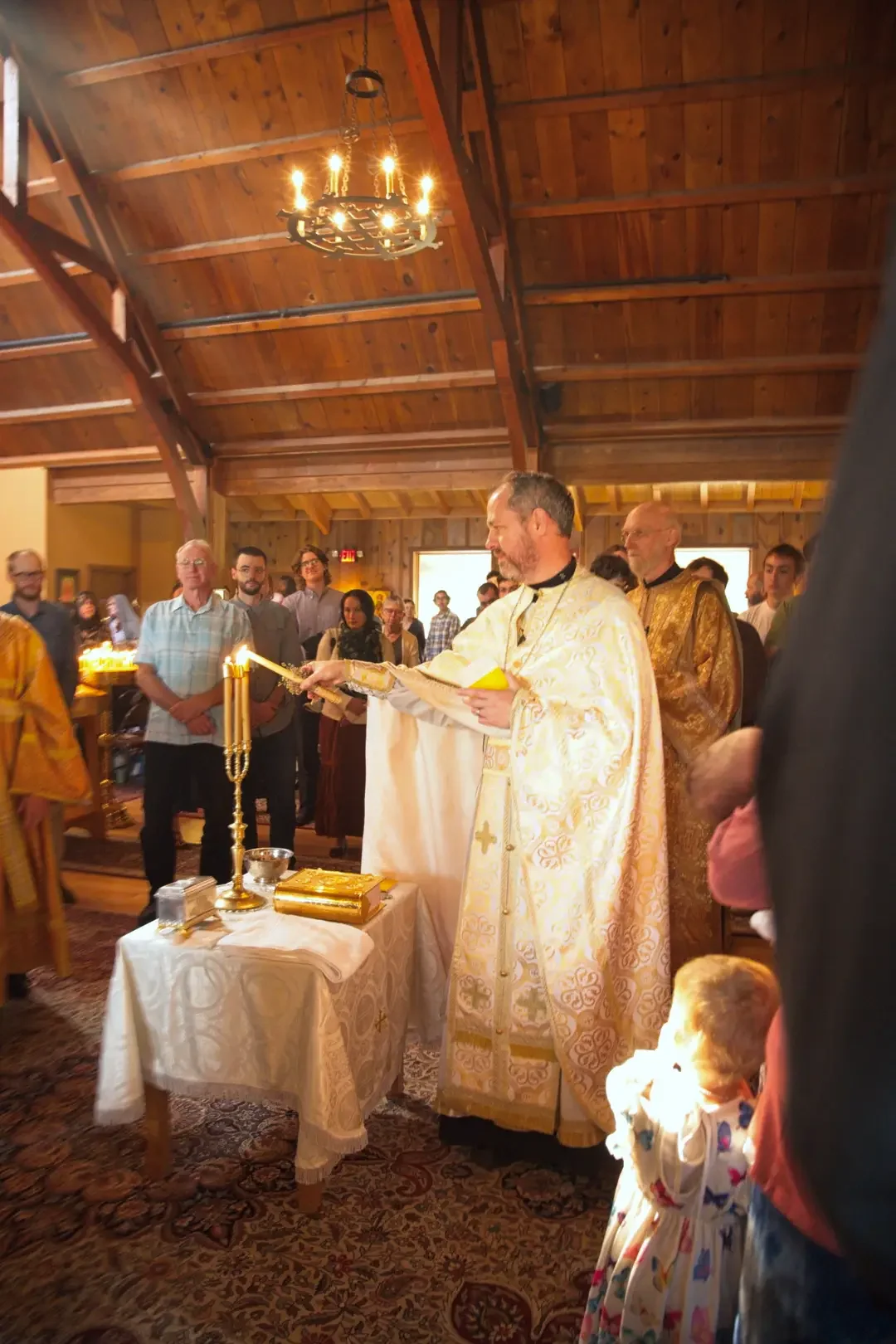
We are a diverse, growing community of Orthodox Christians, catechumens, and inquirers. Our parish is made up of people from a wide variety of backgrounds. A handful of us are “cradle Orthodox,” but most of us have come from various other Christian, non-Christian, or non-religious backgrounds.
On Sundays we average between 300 and 400 people at Divine Liturgy. We have recently completed an expansion project to accommodate our growth.
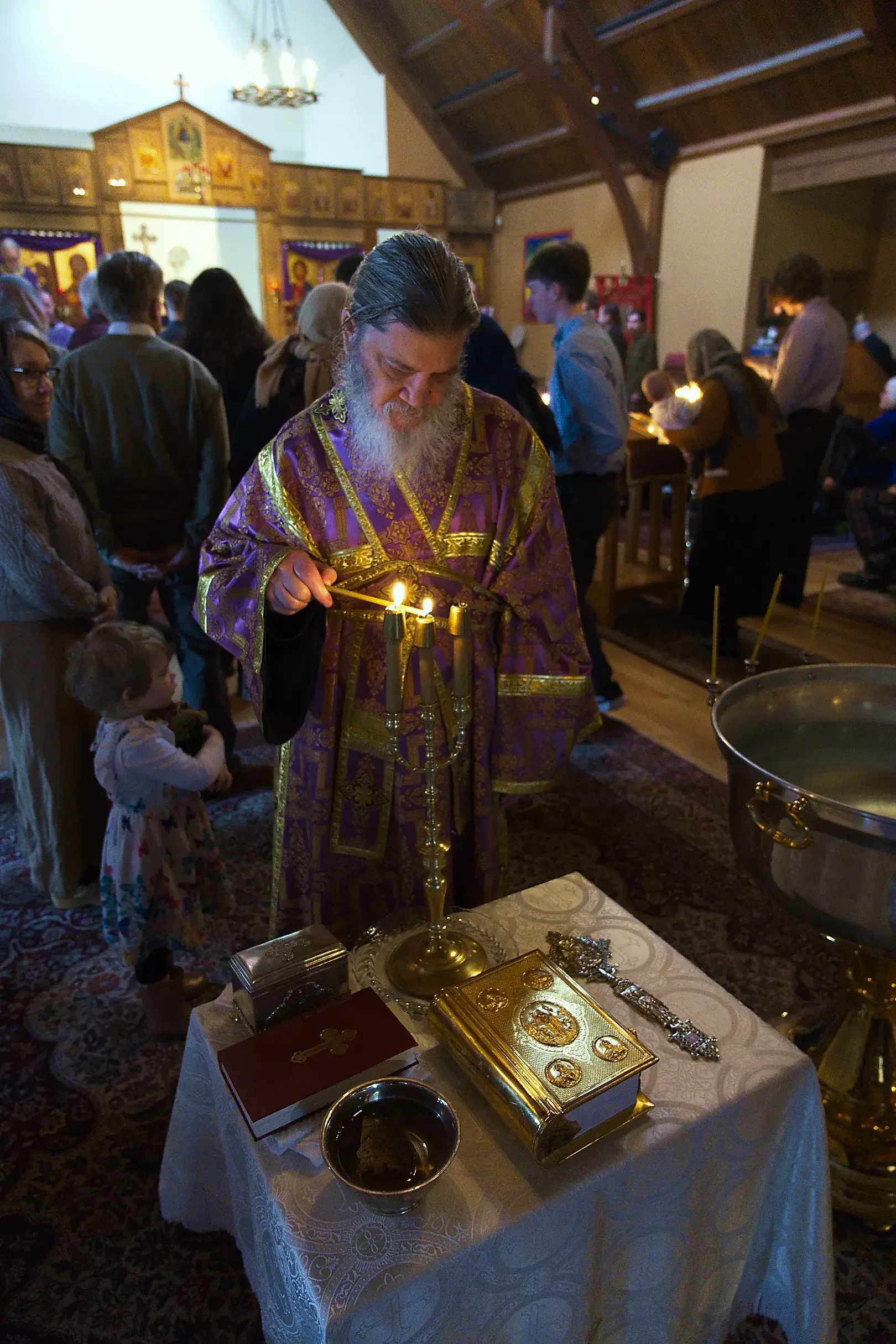
One of the greatest strengths of Annunciation is its daily services. We are blessed to be able to offer daily Matins and Vespers throughout the week. Through these services we are sanctified, and we sanctify time.
The Fathers described the Church as a “hospital for sinners.” The word “salvation” means “healing”. And that’s what we at Annunciation are all seeking: healing. And Christ accomplishes our healing by coming to dwell within us and increasingly uniting us with His Body for all eternity.
We hope you will join us in this healing at Annunciation.
Our Bishops
-
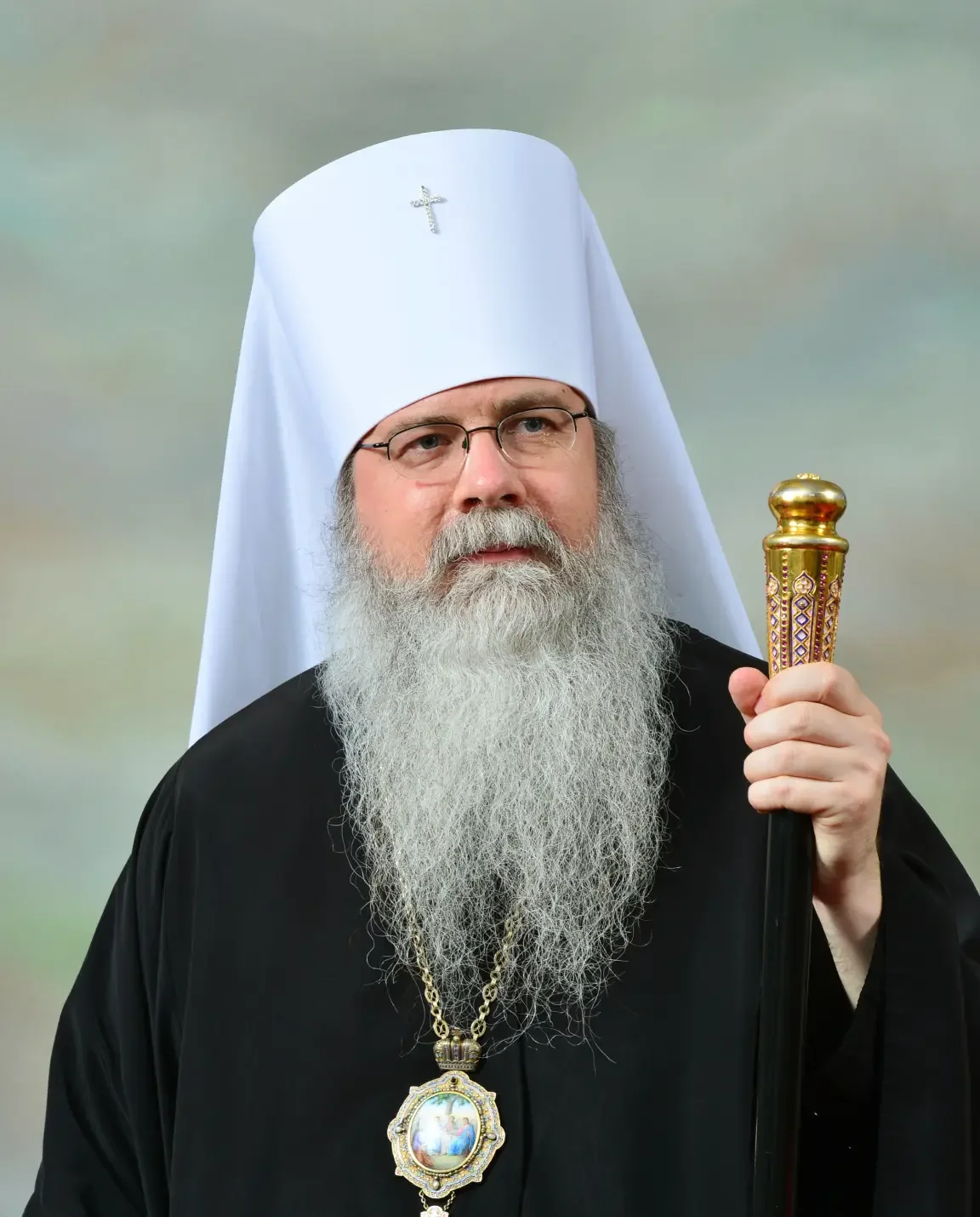
The Most Blessed Tikhon
Archbishop of Washington, Metropolitan of All America and Canada
-
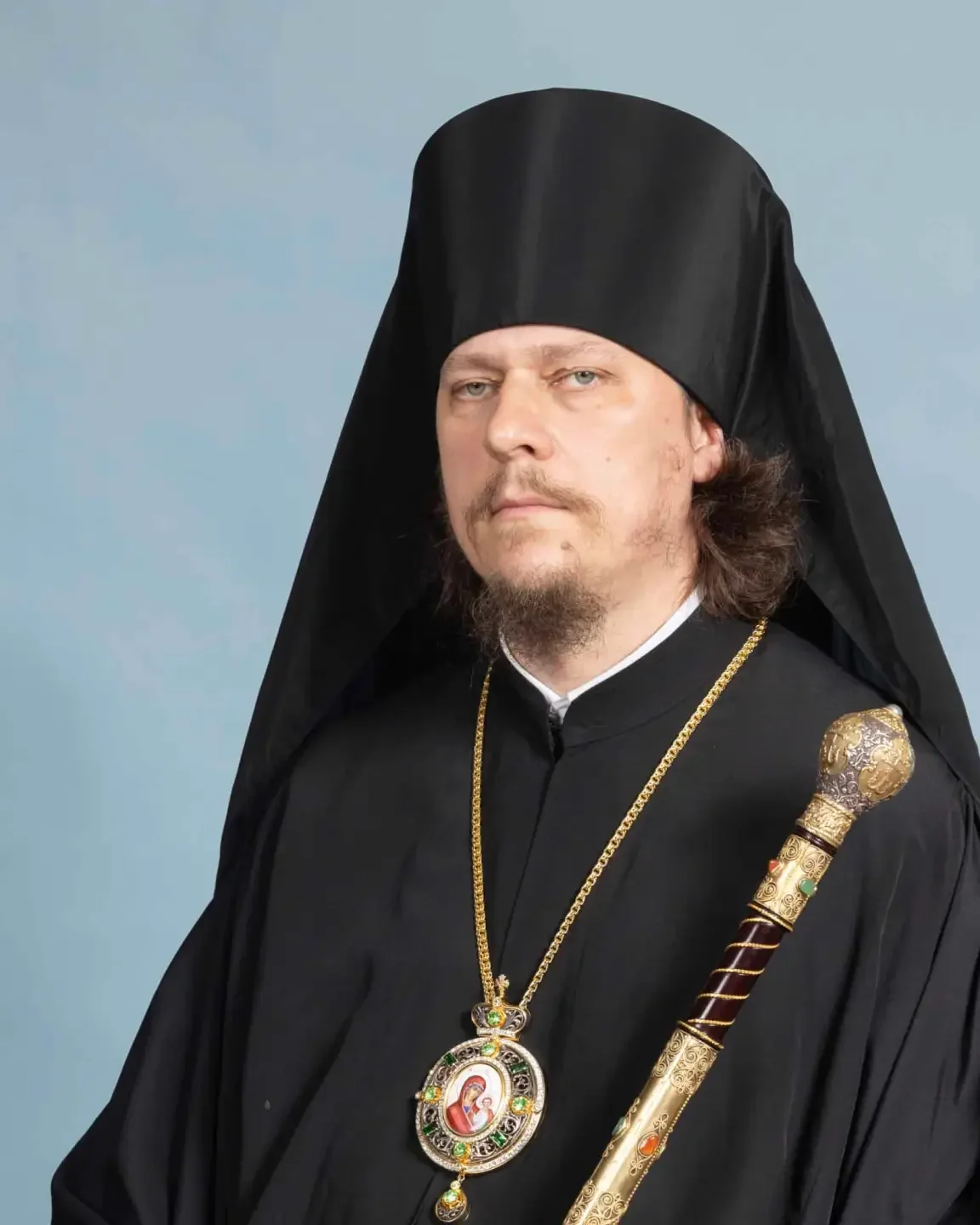
The Right Reverend Vasily
Bishop of San Francisco and the West